

The idea of a solar panel that generates electricity at night sounds appealing, and it is a genuinely common search among Pakistani homeowners trying to understand whether solar can truly free them from grid dependence around the clock, not just during daylight hours. The honest answer requires separating two very different things: how standard solar panels combined with battery storage already deliver reliable nighttime power today, which is the practical, commercially available solution overwhelmingly relevant to Pakistani buyers, and genuine night-generating solar cell technology, which exists in early research form but is not yet a real commercial product anyone can buy and install. This guide covers both clearly, so you understand exactly what is actually achievable for your home right now.
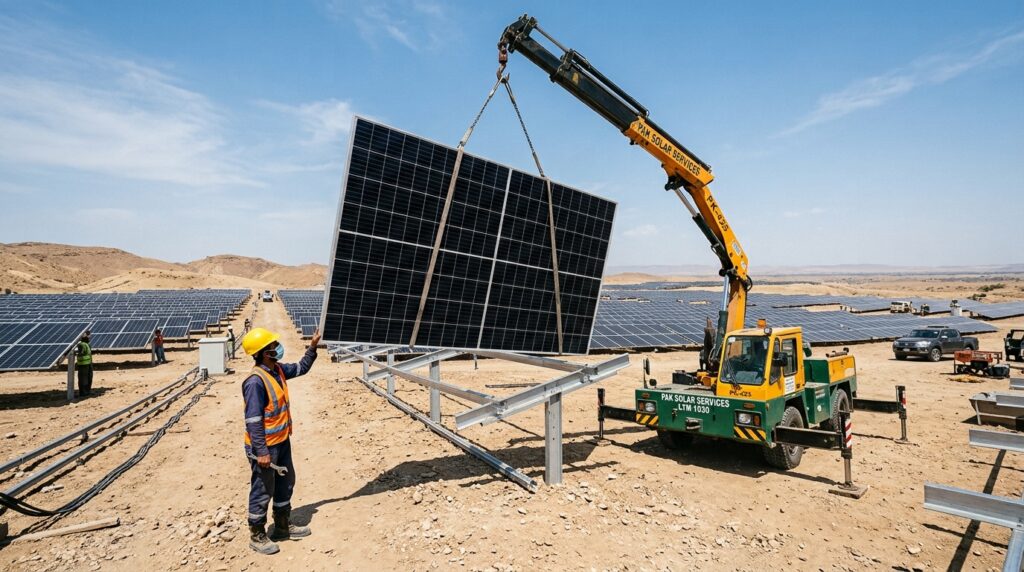
Standard solar panels, including every Tier-1 panel available in Pakistan today, generate electricity through the photovoltaic effect, which requires direct or diffused sunlight striking the panel’s cells to produce a usable electrical current. Without sunlight, whether at night or during a complete eclipse, standard panels produce effectively zero electricity, regardless of brand, wattage, or technology. This is a fundamental characteristic of how conventional solar cells work, not a quality or design limitation specific to any particular manufacturer, meaning no standard panel currently sold in Pakistan, however advanced, generates meaningful power after the sun goes down.
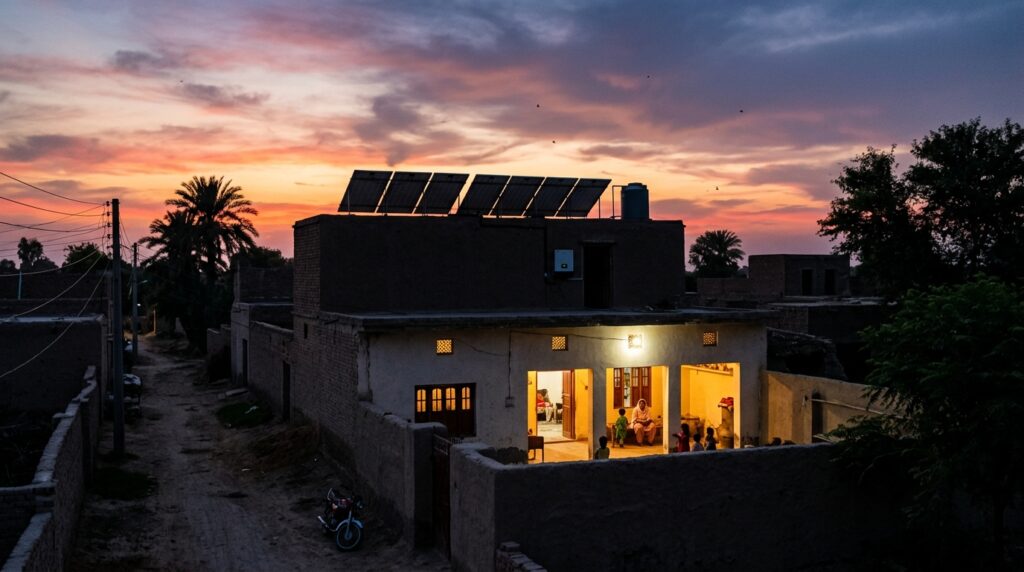
Despite standard panels producing no electricity after sunset, millions of solar system owners around the world, including a growing number across Pakistan, do successfully run lights, fans, and appliances through the night using solar-generated power. This is achieved not through any special night-generating panel, but through battery storage, which captures surplus electricity generated during daylight hours and releases it for use after the sun goes down. This is the actual, practical answer to how solar power works at night, and it is the solution our team recommends and installs for Pakistani customers wanting genuine nighttime energy independence.
A hybrid solar system, covered in detail in our dedicated hybrid solar systems guide, combines standard rooftop panels with a battery bank, typically using modern lithium technology, discussed further in our guide to lithium batteries for solar panels. During the day, this system simultaneously powers your household’s active consumption and charges the connected battery with any surplus generation. Once the sun sets, the system automatically switches to drawing stored energy from the battery, allowing lights, fans, refrigeration, and other essential loads to continue running seamlessly through the night without any dependence on the grid.
For homeowners without battery storage, running an on-grid system instead, covered in our on-grid solar system guide, nighttime power comes directly from the grid exactly as it would for a household without solar at all. However, the net metering credits earned by exporting surplus solar electricity during the day, covered in detail through our net metering services, offset the cost of this nighttime grid electricity at billing time, meaning the household effectively pays little or nothing for the electricity it draws overnight, even though the actual physical electrons powering nighttime appliances come from the grid rather than a battery.
The battery capacity required to run your home through the night depends entirely on your specific nighttime consumption pattern. A household running only basic lighting and a fan or two through the evening might need as little as 3 to 5 kilowatt-hours of usable battery capacity, while a household wanting to run an air conditioner overnight, discussed in detail in our guide to the best solar system for AC in Pakistan, typically needs 10 to 15 kilowatt-hours or more, given how much more power cooling equipment consumes compared to lighting and fans alone. Properly sizing this battery capacity requires understanding your actual nighttime load profile, which our team calculates as part of a free energy audit rather than relying on generic estimates that may not reflect your household’s specific consumption pattern.
Beyond the practical battery-storage solution that dominates real-world nighttime solar power today, it is worth briefly addressing genuine research into technology that could one day generate small amounts of electricity directly from the night sky itself. Researchers have been exploring thermoradiative and radiative cooling-based cells, which work on a fundamentally different principle than standard photovoltaic panels, capturing the temperature difference between a warm surface and the cold night sky to generate a very small electrical current, rather than relying on incoming sunlight at all. As of 2026, this technology remains firmly in early research and laboratory demonstration stages, generating only a tiny fraction of the power output of standard daytime solar panels, and is not available as a commercial product anywhere, including Pakistan. Buyers should treat any product marketed as a genuine night-generating solar panel with significant skepticism, since no such commercially viable product currently exists at meaningful scale, and the practical, proven solution for Pakistani households remains standard daytime solar generation paired with battery storage, exactly as covered throughout the rest of this guide.
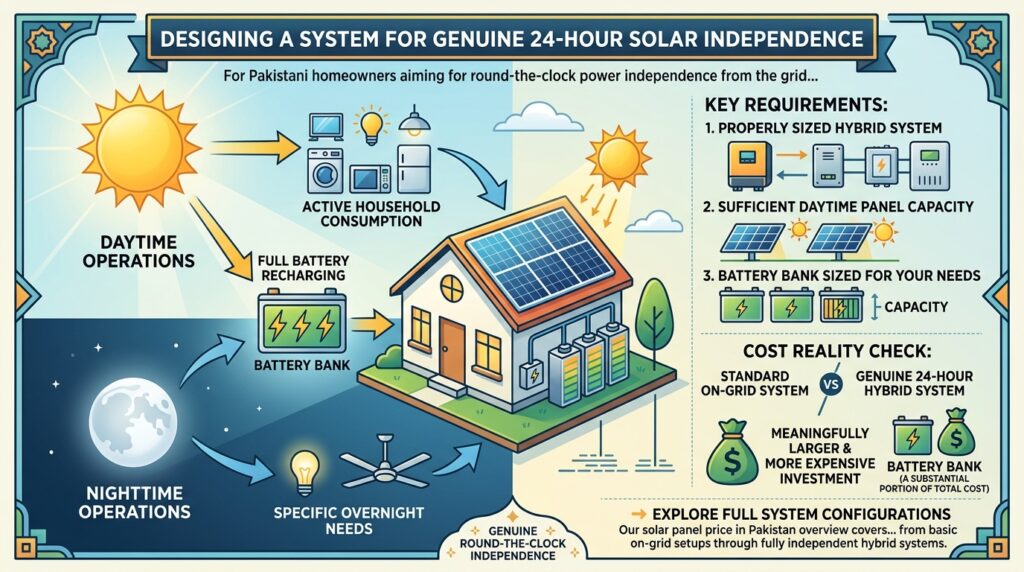
For Pakistani homeowners specifically aiming for round-the-clock power independence from the grid, achieving this goal today requires a properly sized hybrid system combining sufficient daytime panel capacity to cover both active household consumption and full battery recharging, alongside a battery bank sized to your specific overnight needs. This is a meaningfully larger and more expensive investment than a standard daytime-only on-grid system, since the battery bank alone often represents a substantial portion of total system cost, but it delivers the genuine round-the-clock independence that many buyers ultimately have in mind when they search for night-capable solar solutions. Our solar panel price in Pakistan overview covers the full range of system configurations, from basic on-grid setups through fully independent hybrid systems designed for genuine 24-hour operation.
Given how significantly battery capacity affects total system cost, it is worth honestly evaluating how much genuine nighttime independence you actually need before committing to the largest possible battery bank. Many Pakistani households find that a moderate battery bank, sized to cover essential nighttime loads like lighting, fans, and refrigeration, combined with continued grid reliance for occasional heavier nighttime loads like air conditioning, strikes a more cost-effective balance than attempting full 24-hour independence for every possible appliance. This middle-ground approach, discussed further in our hybrid solar systems guide, often delivers the majority of the peace-of-mind and cost-saving benefit that motivates the search for night solar power in the first place, without the substantial additional cost of oversizing battery capacity for rarely-needed full independence.
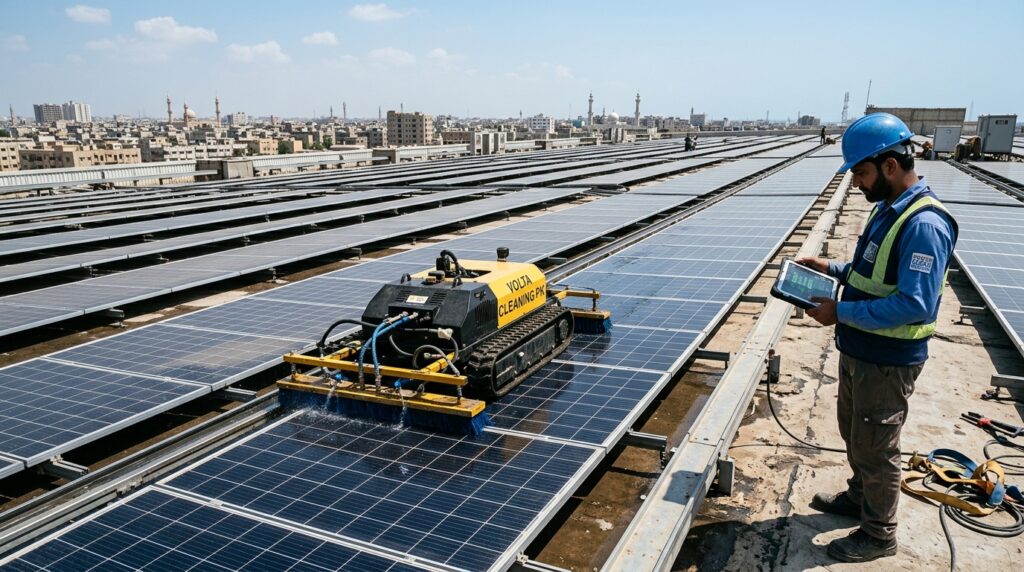
Whatever battery capacity you choose, maintaining its performance over time matters significantly for continued reliable nighttime power delivery. Modern lithium batteries used in Pakistani hybrid systems generally require minimal active maintenance compared to older lead-acid technology, but proper charge and discharge management through a quality battery management system, along with avoiding extreme temperature exposure where possible, helps preserve battery capacity and lifespan over years of nightly cycling. Our lithium batteries for solar panels guide covers this in further detail, including realistic lifespan expectations and how battery degradation over time should factor into your initial sizing decision.
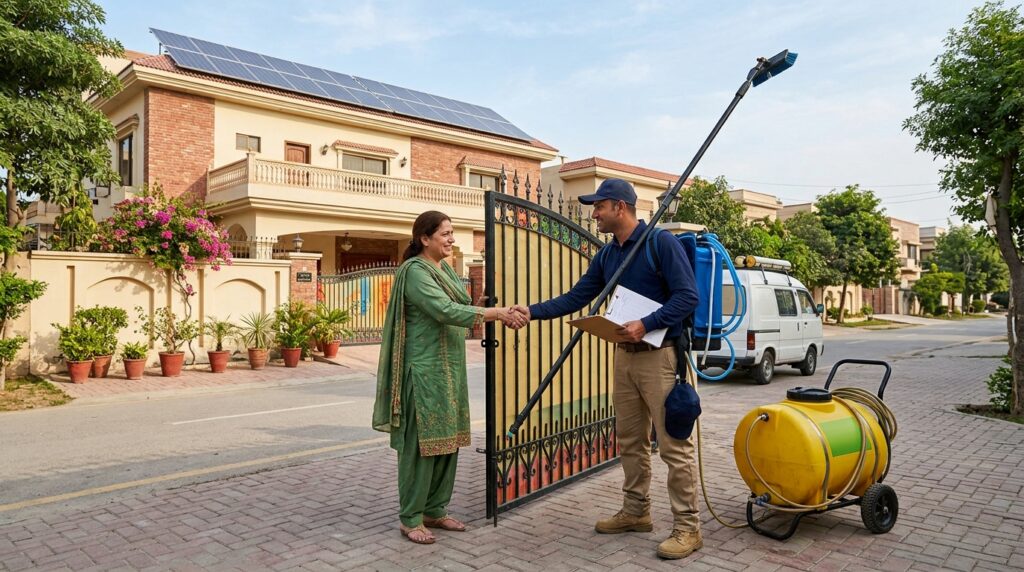
Because nighttime power requirements vary so significantly from household to household, a generic recommendation rarely delivers the right outcome for your specific situation. Pakistan Solar Solutions conducts a free site survey and energy audit specifically calculating your actual nighttime consumption pattern, whether that involves basic lighting and fans or full air conditioning coverage, and recommends the panel and battery configuration genuinely suited to delivering the level of nighttime independence you actually want. You can begin this conversation through our contact page.
A few years ago, the cost of battery storage put genuine nighttime solar independence out of reach for many Pakistani households, with lead-acid battery technology requiring frequent replacement and offering relatively limited usable capacity relative to their physical size and cost. The shift toward lithium iron phosphate battery technology, covered in detail in our dedicated guide, has meaningfully changed this calculation, offering substantially longer cycle life, better usable capacity, and improved safety characteristics compared to older lead-acid alternatives, even though the upfront cost per kilowatt-hour remains higher than lead-acid. Over the battery’s actual operational lifespan, however, lithium technology frequently works out to a lower total cost of ownership, since a quality lithium battery bank can reliably deliver thousands of charge cycles compared to the several hundred cycles typical of lead-acid batteries before meaningful capacity degradation sets in, making genuine nighttime independence a more realistic and increasingly common goal for Pakistani homeowners than it was even five years ago.
Several misunderstandings frequently come up when Pakistani homeowners first research this topic. One common misconception involves assuming that simply installing more or higher-wattage panels will somehow provide nighttime power without a battery, when in reality, no amount of additional panel capacity changes the fundamental requirement for stored energy to power anything after sunset, since panels without sunlight generate no electricity regardless of their rated capacity. Another frequent misunderstanding involves assuming that any inverter labeled as a hybrid inverter automatically includes battery storage, when in fact, a hybrid inverter is simply designed with the capability to connect to a battery bank, and the battery itself must be purchased and installed separately as an additional, often substantial, component of the total system cost. A third misconception involves overestimating how much of a home’s typical consumption can realistically be covered by a modestly sized battery bank, leading to disappointment when a smaller battery depletes faster than expected during an extended evening of heavier appliance use, which is precisely why an accurate, honest sizing calculation based on your actual consumption pattern matters so much more than simply purchasing whatever battery capacity fits the available budget.
No, standard solar panels require sunlight to generate electricity and produce effectively no power after sunset. Nighttime power from a solar system comes from battery storage that captures surplus daytime generation, not from the panels themselves generating electricity in darkness.
An on-grid system with net metering allows you to draw electricity from the grid at night as normal, while the credits earned from exporting surplus solar electricity during the day offset the cost of this nighttime consumption, effectively reducing your nighttime electricity cost without requiring a battery investment.
This depends on your specific nighttime consumption. Basic lighting and fan usage typically requires 3 to 5 kilowatt-hours of battery capacity, while running an air conditioner overnight typically requires 10 to 15 kilowatt-hours or more, calculated based on your actual usage pattern.
Emerging thermoradiative and radiative cooling cell technology is being researched for this purpose, but remains in early laboratory stages as of 2026, producing only a tiny fraction of standard daytime solar output. No commercially viable product of this kind is currently available in Pakistan or elsewhere.
This depends on how much you value uninterrupted nighttime power versus the added cost of battery storage. For households facing frequent nighttime load shedding or wanting guaranteed backup for essential loads, a hybrid system is often worthwhile, while households with stable grid supply may find a lower-cost on-grid system with net metering sufficient.
Yes, generally. Lithium batteries offer substantially longer cycle life and better usable capacity relative to their size compared to lead-acid, often resulting in a lower total cost of ownership over the battery’s operational lifespan despite a higher upfront cost, covered further in our lithium batteries for solar panels guide.
In many cases yes, provided your existing inverter is hybrid-capable or can be upgraded, though this depends on your specific existing equipment. Our team can assess your current system during a site visit and advise on the best path to add battery storage if you decide you want nighttime independence after your initial on-grid installation.