

Solar technology in Pakistan has moved fast over the last two years, and the 700 watt solar panel represents the current top end of what is commercially available in the local market. These panels are not built for casual backup power or small shops. They are engineered for large residential homes with high consumption, commercial rooftops, and industrial-scale projects where maximizing output per square foot of roof or ground space directly affects project economics. If you are researching the 700 watt solar panel price in Pakistan, you are almost certainly planning a serious system rather than a small supplementary setup.
This guide covers what makes 700 watt panels different from standard residential panels, current 2026 pricing, and who genuinely benefits from choosing this higher wattage class over the more common 550 to 615 watt panels used in most residential installations.
Until fairly recently, panels in the 550 to 615 watt range represented the top tier available to most Pakistani buyers. The shift toward 700 watt and even higher-capacity panels reflects a broader global trend in solar manufacturing toward larger cell formats and more advanced technology, which Pakistani importers have increasingly brought into the local market as commercial and industrial demand for large-scale solar has grown.
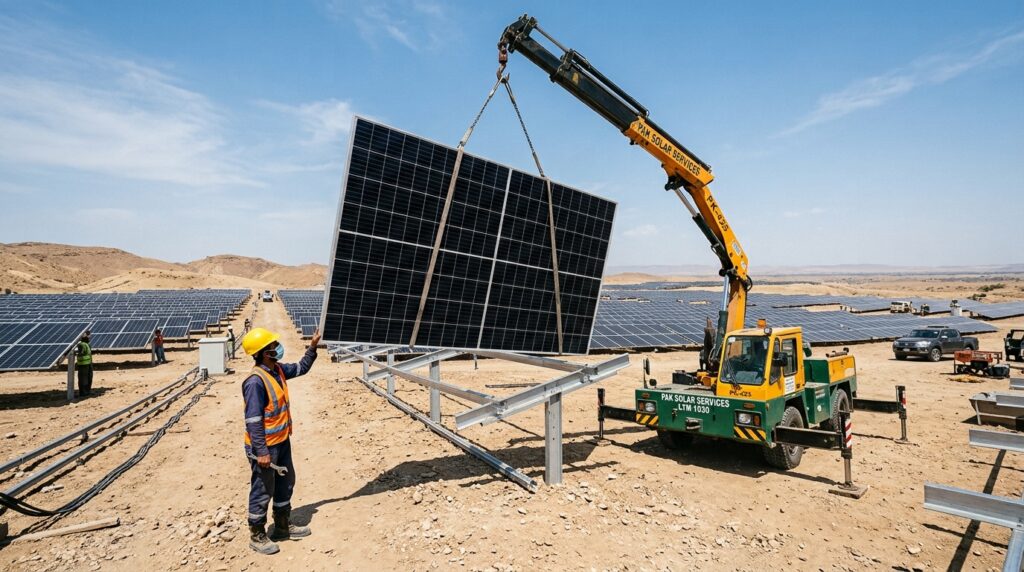
Larger panels reduce the total number of units needed to reach a given system capacity, which lowers mounting structure costs, reduces the number of individual electrical connections that can fail over time, and speeds up installation for large commercial and industrial projects. For a factory or textile mill installing several hundred kilowatts of solar capacity, the difference between using 600 watt panels and 700 watt panels can mean tens of fewer panels, less mounting hardware, and meaningfully reduced labor time.
Nearly all 700 watt panels available in Pakistan use N-Type TOPCon or bifacial cell technology, the same advanced manufacturing standard used in premium panels from Longi, Jinko and JA Solar discussed in our guide to the best solar panels in Pakistan. Bifacial 700 watt panels can capture reflected sunlight from the rear surface as well as the front, which is particularly effective on elevated ground-mount or carport-style structures common in commercial and industrial installations, adding a meaningful boost to total energy yield beyond what the front-facing rating alone suggests.
As of 2026, the 700 watt solar panel price in Pakistan generally ranges between PKR 25,000 and PKR 34,000 per panel, translating to roughly PKR 36 to PKR 48 per watt depending on brand, cell technology and order volume. This per-watt figure is broadly in line with, and in some cases slightly better than, the per-watt cost of premium 580 to 615 watt panels, since manufacturers price higher-capacity panels competitively to encourage adoption in large-scale projects.
Buyers should always compare 700 watt panel pricing on a per-watt basis rather than per-panel, since a higher sticker price per unit is expected given the significantly higher output. A 700 watt panel priced at PKR 30,000 works out to roughly PKR 43 per watt, which sits within the same competitive range as premium N-Type panels in smaller formats, meaning buyers are not necessarily paying a wattage premium simply for choosing the larger panel size.
For commercial and industrial buyers purchasing in volume, typically 20 panels or more, per-watt pricing on 700 watt panels often improves further due to bulk procurement discounts. This makes them particularly attractive for large-scale projects where even a small per-watt reduction translates into significant total savings across a multi-hundred-kilowatt installation. Our commercial and industrial solar solutions team can provide volume-based quotations for projects using 700 watt panels as part of a full EPC contract.
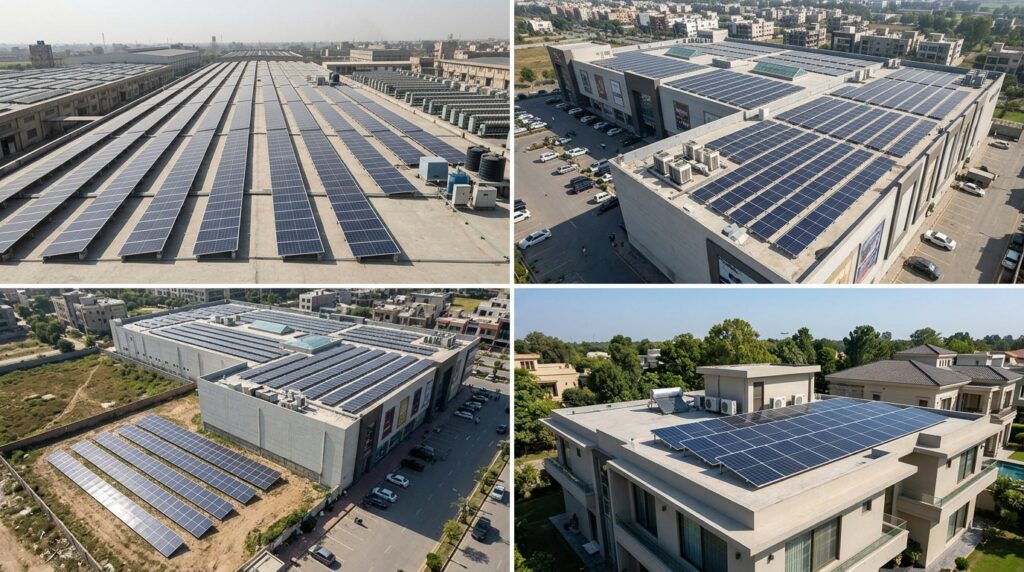
700 watt panels are not the right choice for every buyer, and understanding who actually benefits from this wattage class helps avoid overspending on capacity that a smaller, more standard panel could deliver just as cost-effectively.
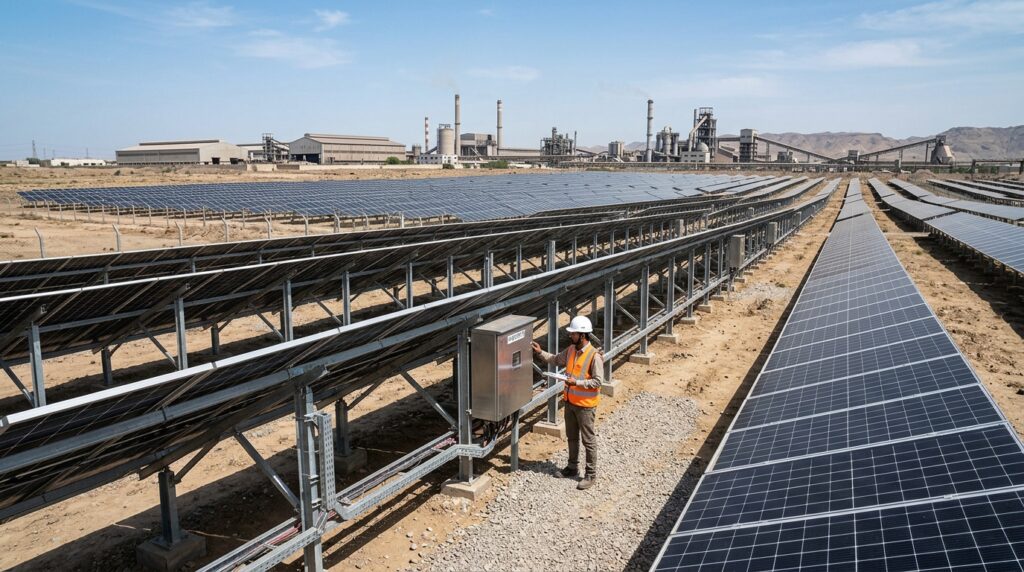
Factories, textile mills, cold storage facilities and large commercial plazas are the primary market for 700 watt panels in Pakistan. These properties typically have large, open rooftop or ground-mount areas where fewer, higher-capacity panels reduce structural complexity and installation time across a large system, often spanning 50 kW to several megawatts, which is where the economics of 700 watt panels genuinely shine.
A smaller but growing segment of residential buyers, particularly those in large houses running multiple air conditioners, elevators or extensive appliance loads, are also opting for 700 watt panels to maximize output within limited rooftop space. For a large home needing a 15 kW to 20 kW system, using 700 watt panels can mean roughly 21 to 29 panels instead of 25 to 35 panels at a lower wattage, which noticeably simplifies the rooftop layout and reduces the total mounting footprint required.
Beyond the reduced panel count for a given system size, 700 watt panels typically deliver higher efficiency ratings than older, smaller-format panels, often exceeding 22.5 percent, since manufacturers use their most advanced cell technology in these flagship products. Fewer panels also means fewer individual junction boxes, connectors and cable runs across the system, which reduces the number of potential failure points over a 25-year system lifespan. For projects where roof space is genuinely limited relative to the target system capacity, such as urban commercial buildings with restricted rooftop area, 700 watt panels can be the difference between fitting the required capacity at all or having to compromise on system size.
Because 700 watt panels are physically larger and heavier than standard residential panels, they require mounting structures specifically rated for the additional weight and wind load, which a qualified structural assessment should confirm before installation, particularly on older buildings or lightweight roofing. These panels also produce higher voltage and current per unit, meaning inverter string configurations must be carefully calculated by a qualified engineer to stay within the inverter’s rated input limits, an aspect our PEC-certified team manages as standard practice during system design for every solar panel price in Pakistan quotation involving high-wattage panels.
The 700 watt segment in Pakistan is currently led by the same Tier-1 manufacturers supplying the broader market, including Longi’s latest Hi-Mo X series, Jinko’s high-capacity Tiger Neo variants, JA Solar’s flagship N-Type panels, and similar high-output offerings from Canadian Solar and Trina. These manufacturers apply the same 25-year linear performance warranty structure to their 700 watt panels as they do across their standard product lines, meaning buyers are not sacrificing warranty coverage in exchange for higher wattage. Given the scale of investment typically involved in projects using 700 watt panels, working with an established, PEC-certified EPC company like Pakistan Solar Solutions matters even more than usual, since a single design or installation error across a large commercial array carries a proportionally larger financial impact than the same mistake on a small residential system.
As of 2026, a 700 watt solar panel in Pakistan costs approximately PKR 25,000 to PKR 34,000 per panel, which works out to roughly PKR 36 to PKR 48 per watt depending on brand and order volume.
For most standard residential homes, more common panel sizes between 550 and 615 watts remain the practical choice. 700 watt panels make the most sense for large homes with high consumption and limited rooftop space, or for commercial and industrial projects where fewer, higher-capacity panels reduce structural and installation costs.
A 10 kW system using 700 watt panels requires approximately 14 to 15 panels, compared to roughly 16 to 18 panels if using standard 580 to 600 watt models.
700 watt panels produce higher voltage and current per unit than standard panels, so inverter string sizing must be calculated carefully by a qualified engineer to ensure compatibility. This is a standard part of system design handled during our free site survey and energy audit process.
Most 700 watt panels available in Pakistan use bifacial N-Type cell technology, which allows the panel to capture additional reflected sunlight from its rear surface, particularly beneficial on elevated commercial and industrial mounting structures.