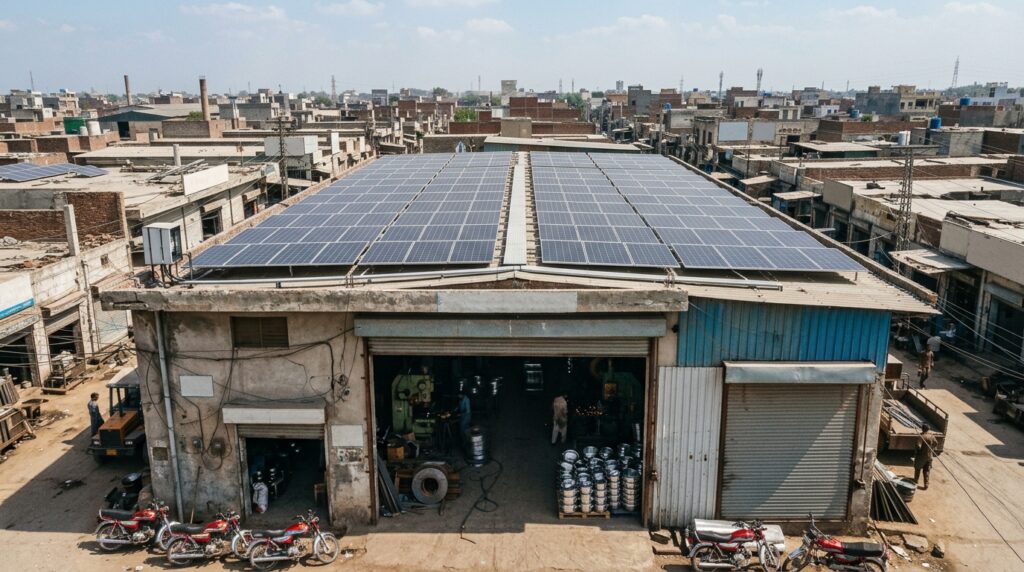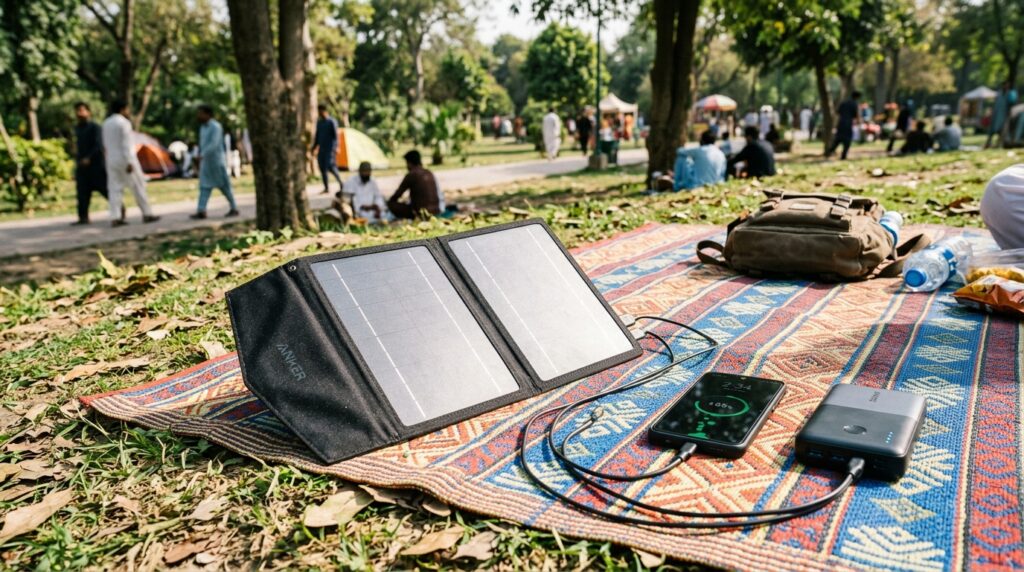
Pakistan is going through an energy revolution. With load shedding still affecting millions of households and commercial setups across the country, people are turning to solar energy as a permanent solution. Among all the components of a solar system, the hybrid solar inverter stands out as the most important and most misunderstood. If you are planning to install a solar system or upgrade your existing one, understanding the hybrid solar inverter is the first step toward making the right decision.
At Pakistan Solar Solutions, we help Pakistani consumers choose the right solar equipment based on their budget, energy needs, and location. This guide covers everything you need to know about hybrid solar inverters, from how they work to which one suits your home or business best.

A hybrid solar inverter is a single device that combines the functions of a solar inverter, a battery charger, and a grid-tie inverter all in one unit. Unlike a basic on-grid inverter that only works when the grid is available, or an off-grid inverter that works only with batteries, the hybrid solar inverter can manage solar panels, battery storage, and the utility grid simultaneously. This makes it the most versatile and future-ready inverter available in Pakistan today.
When solar panels generate electricity during the day, the hybrid inverter first uses that power to run your home appliances. Any extra electricity charges your battery bank. If the batteries are full and solar is still producing, the excess power can be exported to the national grid. At night or during cloudy weather, the inverter automatically switches to battery power. If the batteries run low, it pulls electricity from the grid. This entire process happens automatically without any manual switching.
Pakistan’s electricity grid is notoriously unstable. Voltage fluctuations, frequency irregularities, and sudden outages are part of daily life for most households. A standard grid-tie inverter shuts down completely when the grid fails, which defeats the purpose for most Pakistani consumers. The hybrid solar inverter solves this problem by continuing to operate in island mode during grid failures, using stored battery power to keep your appliances running.
This is why the hybrid solar inverter has become the preferred choice for both residential and commercial solar installations across Pakistan. Whether you are in Karachi, Lahore, Peshawar, or a rural area with frequent outages, a hybrid inverter keeps your lights on, your fans running, and your essential devices powered throughout the day and night.
Many people confuse these three types of inverters, and making the wrong choice can cost you significantly. An on-grid solar inverter connects your solar panels directly to the grid and does not support battery backup. It is suitable only for areas with a very stable grid supply and minimal load shedding. An off-grid inverter works independently of the grid and relies entirely on batteries, making it expensive and requiring a large battery bank.
The hybrid solar inverter sits between these two options. It works with the grid when available, stores excess energy in batteries for use during outages, and can even sell surplus electricity back to the grid through net metering. For Pakistani households dealing with four to twelve hours of daily load shedding, a hybrid inverter paired with a modest battery bank is the most cost-effective and practical solution available.
You can explore a full range of solar inverter options at Pakistan Solar Solutions to compare models and find the right fit for your energy requirements.
The benefits of a hybrid solar inverter go far beyond simple electricity backup. First, it dramatically reduces your monthly electricity bill. By using solar energy during peak daytime hours and battery power during the evening, many households in Pakistan are reporting electricity bills reduced by sixty to ninety percent. Second, it protects your appliances from the voltage fluctuations and power surges that are common on Pakistan’s national grid, since the inverter acts as a buffer between the grid and your home’s electrical system.
Third, a hybrid inverter supports the net metering policy introduced by NEPRA, which allows solar system owners to sell excess electricity back to the grid and earn credits on their bills. This means your solar investment does not just save money but can actually generate income over time. Fourth, the system is expandable. You can start with a smaller battery bank today and add more capacity later as your needs grow or your budget allows.
Finally, modern hybrid solar inverters come with Wi-Fi monitoring, app-based controls, and smart load management features. You can check your system’s performance in real time from your smartphone, set priority loads, and receive alerts if anything needs attention.
Selecting the right hybrid solar inverter depends on several factors. The most important is your total electricity load. You need to calculate the wattage of all appliances you want to run simultaneously and then choose an inverter with adequate capacity. For a typical Pakistani home running two or three fans, a refrigerator, LED lights, and a television, a three to five kilowatt hybrid inverter is usually sufficient.
If you also want to run an air conditioner, water pump, or other heavy loads, you may need a five to ten kilowatt model. For commercial setups like shops, offices, or small factories, hybrid inverters ranging from ten to fifty kilowatts are available.
Battery compatibility is another crucial factor. Some hybrid inverters are designed specifically for lithium-ion batteries, while others support lead-acid or gel batteries. Lithium-ion batteries last longer and perform better but cost more upfront. If you are starting on a tight budget, a hybrid inverter that supports both battery types gives you the flexibility to upgrade later.
Also look for inverters with a high efficiency rating, ideally above ninety-five percent, a wide input voltage range for compatibility with different solar panel configurations, and a strong warranty from a reputable brand with local service support in Pakistan.
Several international and locally supported brands offer reliable hybrid solar inverters in Pakistan. Growatt, Solis, Deye, Voltronic, and Huawei are among the most commonly installed brands. Each has its own strengths in terms of battery compatibility, warranty, and smart features.
Locally supported brands with service centers in major Pakistani cities are generally preferred because warranty claims and technical support are easier to access. At Pakistan Solar Solutions, we stock and recommend hybrid inverters that are proven to perform reliably in Pakistan’s climate and grid conditions.
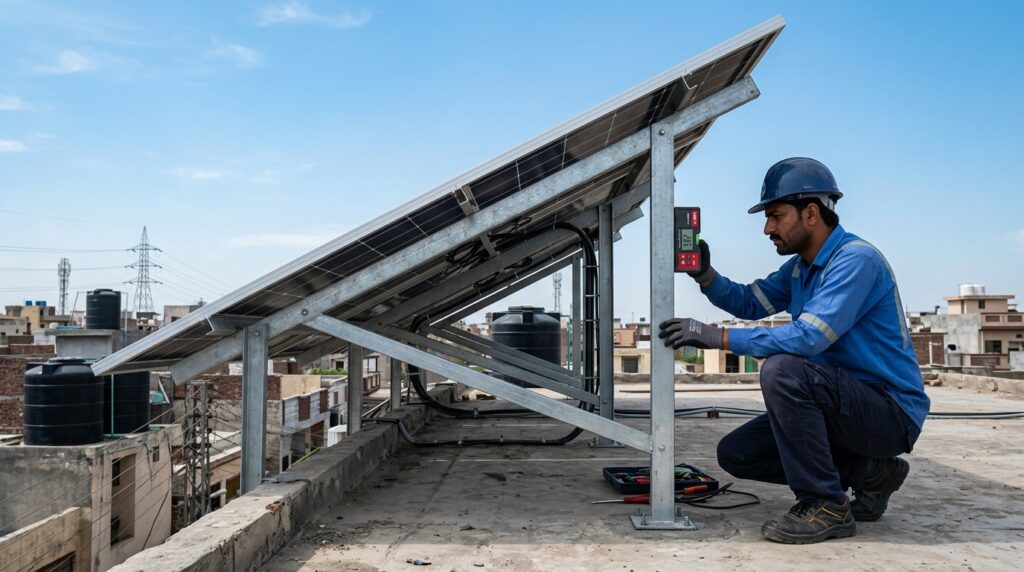
Proper installation is just as important as choosing the right hybrid solar inverter. The inverter should be installed by a certified solar technician who understands Pakistan’s wiring standards and safety regulations. It should be placed in a cool, ventilated location away from direct sunlight and moisture. Most hybrid inverters are designed for indoor wall mounting and come with clear installation guides.
Maintenance requirements are minimal. The inverter should be checked periodically for dust accumulation, firmware updates, and battery health. Most modern hybrid inverters are self-diagnosing and will alert you through the monitoring app if any issue arises. Regular cleaning of the solar panels, which we cover in our solar panel cleaning guide at Pakistan Solar Solutions, also helps maintain system efficiency.
The cost of a hybrid solar inverter in Pakistan varies based on capacity and brand. A three kilowatt hybrid inverter typically starts from around fifty thousand rupees, while a five kilowatt model ranges from seventy-five thousand to one hundred and twenty thousand rupees depending on the brand and features. Higher-capacity models for commercial use can cost significantly more.
While the initial investment is higher than a basic on-grid or off-grid inverter, the long-term savings on electricity bills and the added benefit of battery backup make the hybrid solar inverter the most economical choice over a five to ten year period. Most Pakistani households recover their investment within two to four years through electricity savings alone.
Pakistan’s net metering policy, regulated by NEPRA, allows solar system owners to export surplus electricity to the grid and receive credit against their future bills. To take advantage of net metering, you need a bi-directional meter installed by your electricity distribution company, and your solar system must be grid-tied. A hybrid solar inverter supports this perfectly, as it can export excess solar generation to the grid while also maintaining battery backup for outage periods.
Net metering has proven to be a game changer for Pakistani solar users, with many commercial consumers reducing their bills to near zero during peak solar months. If you are considering net metering, visit Pakistan Solar Solutions to learn about compatible hybrid inverter models and the complete net metering application process.
Can a hybrid solar inverter work without batteries? Yes, most hybrid solar inverters can operate without batteries connected, functioning like an on-grid inverter. However, without batteries, you will not have power during grid outages. Batteries are recommended for areas with frequent load shedding.
How long does a hybrid solar inverter last? A quality hybrid solar inverter typically lasts ten to fifteen years with proper installation and maintenance. Most brands offer a five-year warranty, with extended warranty options available.
Can I add a hybrid inverter to my existing solar system? Yes, in many cases a hybrid solar inverter can be retrofitted into an existing solar panel setup. However, compatibility with your current panels and batteries should be verified before purchase. Contact Pakistan Solar Solutions for a free compatibility assessment.
What happens to my hybrid solar system during heavy rain or cloudy weather? During cloudy or rainy weather, solar panel output drops significantly. The hybrid inverter automatically compensates by drawing power from the battery bank first, then from the grid if needed. Your appliances continue running without interruption.
Is a hybrid solar inverter suitable for running an air conditioner in Pakistan? Yes, but the inverter and battery capacity must be sized appropriately. Running a one-ton air conditioner requires at least a five kilowatt inverter and a sufficient battery bank to handle the startup surge. Pakistan Solar Solutions can help you design the right system for AC loads.