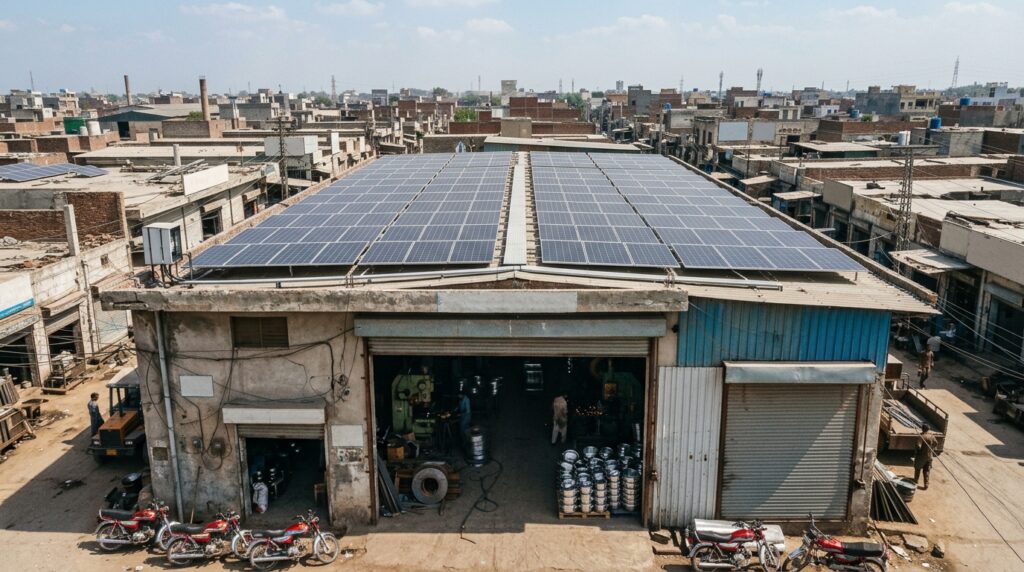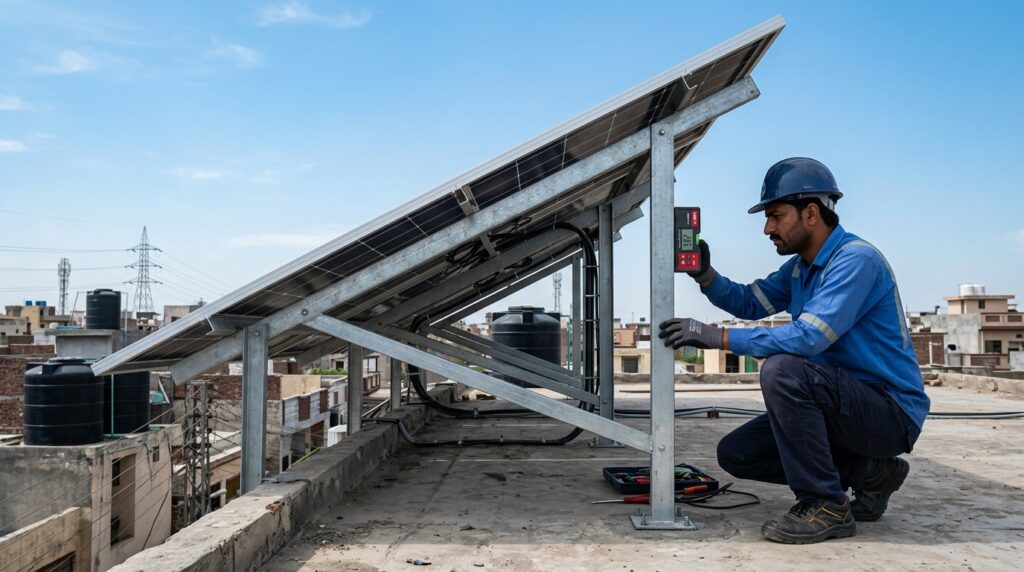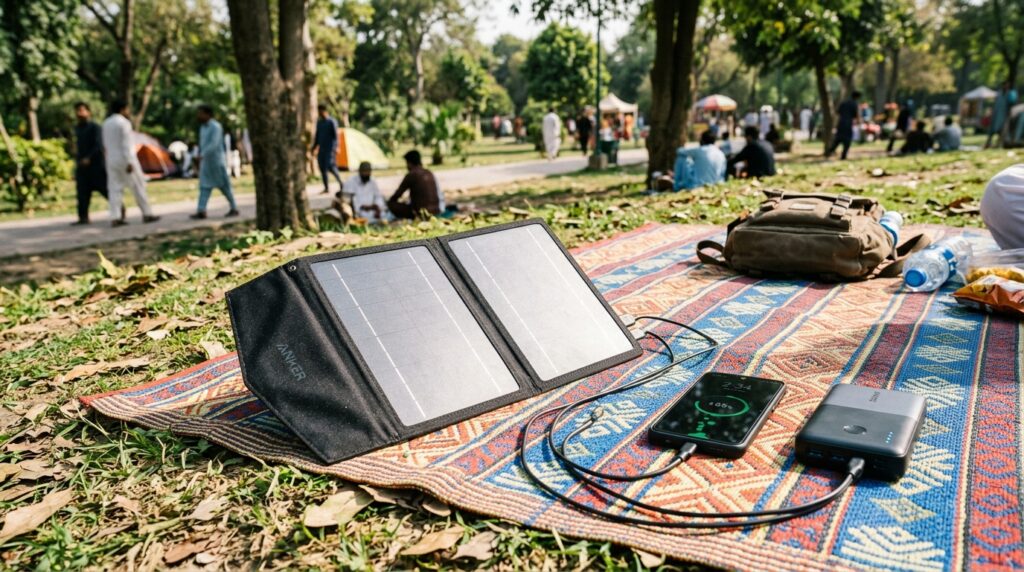
With rising temperatures and soaring electricity costs in Pakistan, conventional air conditioners have become expensive to operate. Solar air conditioners provide a sustainable alternative, using energy from solar panels to cool homes, offices, and commercial spaces. When combined with the best solar panels in Pakistan and a compatible solar inverter, these systems deliver reliable, eco-friendly cooling while significantly reducing electricity bills. Pakistan Solar Solutions offers expert guidance, installation, and maintenance for solar air conditioning systems tailored to Pakistani conditions.

A solar air conditioner harnesses sunlight to power the cooling system. There are two main types:
The solar panels generate DC electricity, which passes through a solar inverter to convert it into AC power for the air conditioner. Advanced systems include smart energy management, which optimizes energy use depending on available sunlight and battery charge.
Pakistan Solar Solutions offers integrated systems where each component is optimized to work together efficiently.
Solar air conditioners drastically reduce electricity bills, especially during peak summer months. Homes and businesses in Pakistan can save 50–70% of their AC electricity costs depending on system size and sun availability.
Solar-powered cooling reduces reliance on fossil fuels, cutting carbon emissions and contributing to Pakistan’s environmental sustainability.
By generating power during peak daylight hours, solar air conditioners continue to operate efficiently even during load-shedding or unstable grid supply.
A solar air conditioner works best when integrated with a complete solar system project that includes best solar panels in Pakistan and a compatible solar inverter, ensuring seamless energy supply and optimal performance.
Selecting the correct AC capacity is essential. Oversized units waste energy, while undersized units fail to provide adequate cooling. Pakistani homes and offices require units sized according to room volume and peak temperature.
High-capacity panels, such as the 585 watt solar panel, are recommended to meet the energy demands of the AC. A system with multiple panels ensures consistent cooling even during less sunny days.
Hybrid inverters are preferred, as they manage solar energy input, battery storage, and grid usage. This guarantees that the AC receives stable power at all times.
Pakistan Solar Solutions provides professional installation services to ensure proper placement and system integration.
Homes in cities like Karachi, Lahore, and Islamabad benefit from solar AC units that cut electricity bills during long summer months while providing consistent cooling.
Offices, shops, and small factories can integrate solar air conditioners into existing solar systems to lower operational costs. By installing high-efficiency solar panels and hybrid inverters, businesses enjoy daytime cooling with minimal grid dependency.
Industrial facilities with multiple cooling zones benefit from solar-powered AC systems, which reduce peak energy consumption charges and maintain comfortable working conditions.
In off-grid regions of Pakistan, solar air conditioners provide cooling without relying on the unstable grid. These setups often pair with battery storage to allow night-time or cloudy day operation.
A family home installed four 585 watt panels with a hybrid solar air conditioner. During the summer, the system powered two AC units, cutting monthly electricity bills by 65%.
A small office building installed six high-efficiency panels and a hybrid inverter to run three solar air conditioners. The office achieved full daytime cooling and reduced grid electricity consumption by 60%.
A rural hospital installed an off-grid solar air conditioner with battery backup to maintain patient comfort and preserve medical equipment. This system operates independently of the local electricity grid, ensuring reliable cooling.
Pakistan Solar Solutions designed, supplied, and installed these systems, providing training for maintenance and monitoring.
Calculating daily AC energy consumption is essential. Solar panels must provide enough wattage to cover cooling needs plus any additional electrical load.
Batteries allow stored solar energy to be used at night or during cloudy periods. Lithium-ion batteries are preferred for higher efficiency and longer lifespan.
Modern solar air conditioners include smart thermostats and energy management systems that adjust cooling based on sunlight availability and battery levels.
Routine maintenance ensures maximum efficiency:
Solar air conditioners offer measurable savings:
Combining solar air conditioners with a solar system project allows for a complete energy solution. Benefits include:
Pakistan Solar Solutions provides turnkey solutions for solar air conditioning systems, including system design, equipment supply, installation, and post-installation support.
1. How much can a solar air conditioner save on electricity bills in Pakistan?
Savings can reach 50–70% depending on panel capacity, inverter efficiency, and system size.
2. Can an existing air conditioner be converted to solar?
Yes, with compatible inverters and proper solar panel installation, existing ACs can be retrofitted.
3. Can solar AC work during nighttime?
Yes, if the system includes battery storage to supply energy when sunlight is unavailable.
4. What is the lifespan of a solar air conditioner in Pakistan?
With proper maintenance, solar air conditioners can last 15–20 years.
5. Who provides installation and maintenance in Pakistan?
Pakistan Solar Solutions offers professional installation, training, and post-installation support.